
Organizing for National Impact
Strengthening Democracy
Responding to an urgent and imperative need to renovate our democracy.
National Impact works to strengthen American democracy through three interconnected pillars: research and intelligence that grounds the movement in community needs and ecosystem realities, practitioner networks that center state-level leaders as primary decision-makers, and strategic coordination that ensures the democracy ecosystem works together rather than in silos. Each pillar reinforces the others, creating a comprehensive approach to democracy renovation that is grassroots-centered, strategically coordinated, and built for long-term impact.

// PILLAR ONE
Research & Intelligence
National Impact’s Research and Intelligence work is foundational to the democracy ecosystem. Our leading work of State Democracy Scorecards and Landscape Analysis Reports provide critical information not just to the three prongs of our work (Respect Voters Coalition, State Renovators Table, and Council on Common Purpose) but also to the larger democracy ecosystem.
The State Democracy Scorecard is a comprehensive diagnostic of the health of democracy in a given state, measured against PID’s 360° Democracy Standard. It integrates expert analysis of existing policy with community-based intelligence gathering to produce a multi-layered diagnosis of democracy deficits.
The State Democracy Landscape Analysis maps the democracy ecosystem of a given state: its actors, activities, and expertise. This shared intelligence allows a variety of organizations to identify complementary approaches, eliminate duplication, discover opportunities for collaboration, and make informed decisions about where to invest capacity and resources. Where the scorecard diagnoses what needs fixing, the landscape analysis identifies who can fix it and how.
// PILLAR TWO
State Networks
By linking them with the larger democracy ecosystem, we help our state partners coordinate their work and learn from renovation and reform efforts in other states. These connections also help grow durable networks and ongoing coalitions, rather than single-issue campaigns.
The Respect Voters Coalition (RVC) is a practitioner-led network dedicated to protecting, strengthening, renovating, and expanding the ballot initiative process across the United States. Since its formation, RVC has convened ballot initiative practitioners through five coalition meetings.
(November 2024 through April 2025), building a comprehensive understanding of what works and what fails in direct democracy campaigns. The coalition operates through a four-pillar strategic framework: Defend (protect existing processes from legislative attacks), strengthen (build grassroots organizing capacity), renovate (modernize processes for accessibility), and expand (bring meaningful ballot initiative processes to new states).
The State Renovators Table is a peer-led network of state-based democracy leaders committed to reorienting the pro-democracy ecosystem around grassroots needs rather than national, single-issue agendas. Rather than serving as extensions of siloed national campaigns focused on “silver bullet” solutions, these state renovators are building pluralistic, cross-ideological Democracy First coalitions that stitch together currently fragmented policy areas, including both renovation and protection efforts.
// PILLAR THREE
Council on Common Purpose
The Council on Common Purpose serves as the strategic coordination hub for democracy renovation work across the United States. By bringing together national renovators, protectors, and state practitioners, the Council catalyzes a healthy constitutional democracy through coordinated action at both federal and state levels, with particular focus on identifying and supporting high-impact opportunities in tipping point states.
The Council serves as the coordination mechanism for aligning priorities across the democracy ecosystem. Through regular convenings, Council members identify shared strategic opportunities at federal and state levels, coordinate response to emerging threats and opportunities through rapid response protocols, develop shared narrative frameworks that bridge protection and renovation messaging, and create visibility into organizational activities through shared calendars and dashboards.
The Council explicitly works to strengthen connections between federal and state-level democracy work. State democracies, through their election laws and civic culture, shape the incentives for federally elected representatives. Yet federal and state renovators often operate in isolation from each other. The Council bridges this gap by coordinating federal advocacy campaigns with state-level implementation support, ensuring federal policy proposals account for state implementation realities, creating pathways for state practitioners to inform federal strategy, and mobilizing national resources to support state-level opportunities.
The Council recognizes that election protection and democracy renovation must work in tandem rather than as separate tracks. While protection groups focus on immediate threats, renovation organizations work toward structural change. The Council creates space for these communities to identify how protection work can incorporate renovation elements, position renovation goals as necessary responses to system vulnerabilities that protection work exposes, coordinate messaging so protection narratives don’t inadvertently defend dysfunctional status quo, and ensure both communities understand threats and opportunities in real-time.
Read more of our research & recommendations:
// LATEST NEWS

-
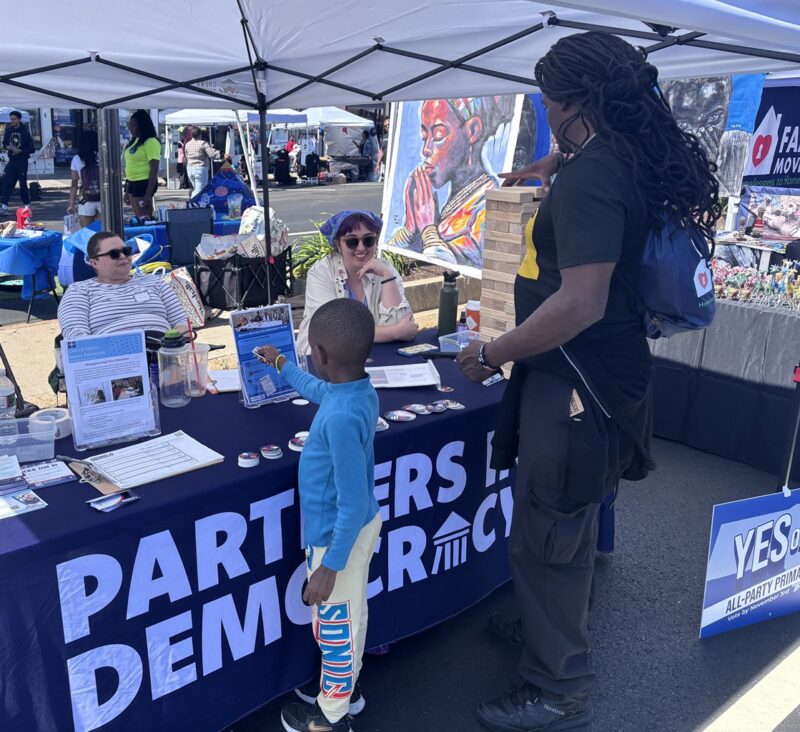
Democracy is on the Ballot: Vote Yes on Questions 1, 3, & 4!
Democracy is on the Ballot on November 3rd. Massachusetts has a chance to make our elections more representative and our government more accountable by voting Yes on Questions 1 (Public Records), 3 (All Party Primaries), and 4 (Election Day Registration). Partners In Democracy has led on building support for these ballot measures, elevating the voices…
-
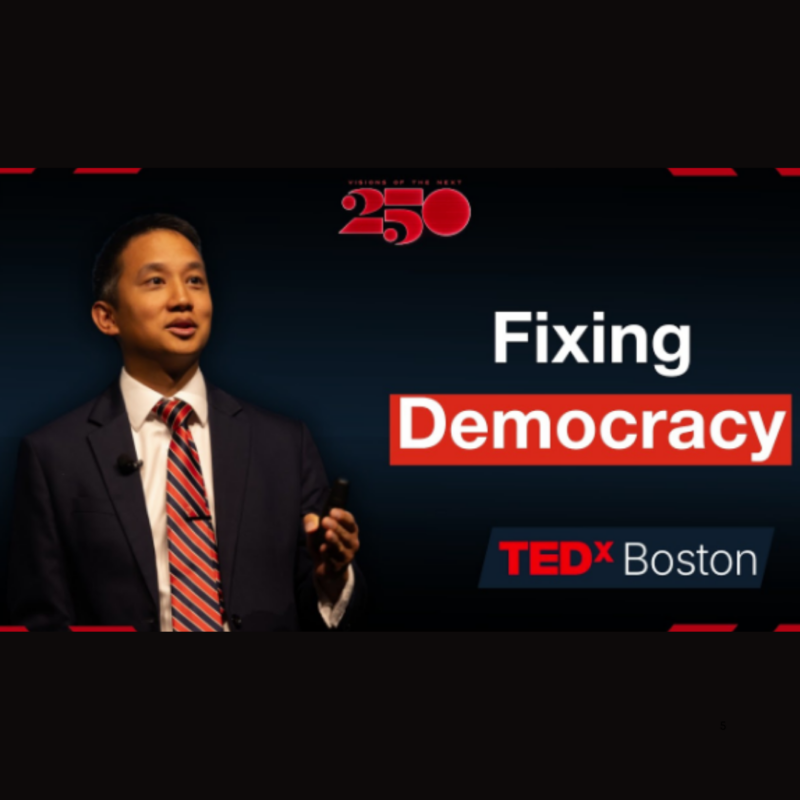
Here’s What Drew Gasps at TedX Boston
Massachusetts has larger racial voter turnout gaps than Mississippi. We’re one of only two states where the legislature and the governor don’t have to publicly share how decisions are made. We have the least competitive elections in the entire country – over 60% of our elections are uncontested. No choice means no accountability. If you’re a…
-
CalMatters, MAPLE Launch Landmark Partnership
Two of America’s most innovative state-based civic technology organizations are launching a new coast-to-coast collaboration. CalMatters, which explains California policies and politics and is one of America’s largest nonprofit newsrooms, is partnering with MAPLE (the Massachusetts Platform for Legislative Engagement), a free public platform that helps users track legislation, submit and read legislative testimony, and…
-

Our Vision for the Next 250
It is fitting that Massachusetts leads the way in renovating our democracy – showing how we can solve our biggest problems.
-

MAPLE Continues Growth, Adds First Executive Director
Matthew Victor has been named the first Executive Director of Digital Civic Infrastructure at PID, the division under which MAPLE now operates as the flagship project.
-
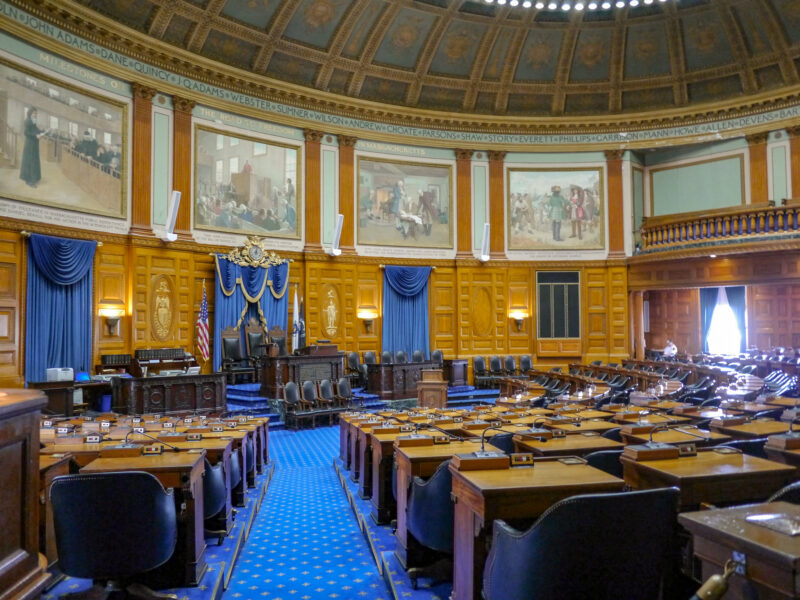
MA House Passes “Transparency” Bill With Zero Transparency
Less than 24 hours after it was publicly released, with no public hearing and no public testimony, the Massachusetts House of Representatives passed H.5469, “An Act Promoting Transparency and Public Access in State Government.” It passed by a vote of 125-28. Advocates of the statewide public records ballot initiative currently advancing toward the November 2026…
-

PID MA Action Adds David Green as Interim Organizing Director
David will lead the PID MA Action organizing team as it works to pass four ballot measures in November.
-
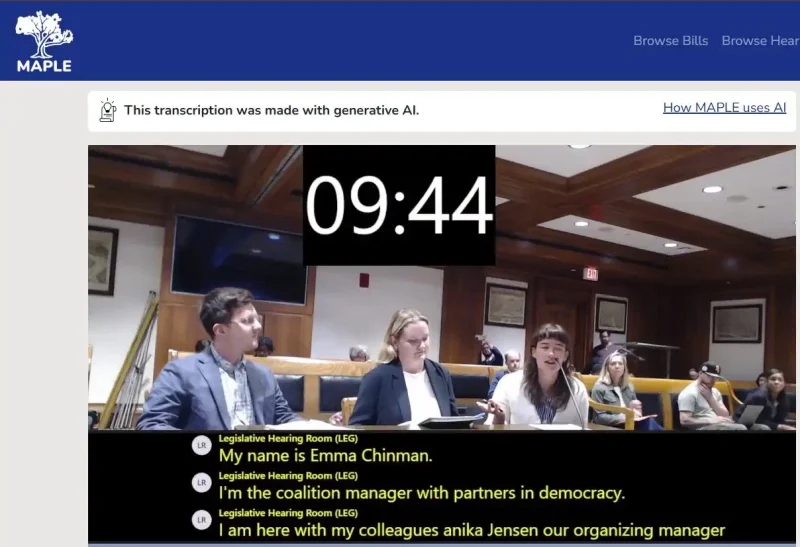
MAPLE Launches Free Legislative Hearing Transcripts
Transcripts of all MA state legislative hearings are now accessible with a new feature of MAPLE, the Massachusetts Platform for Legislative Engagement.
-
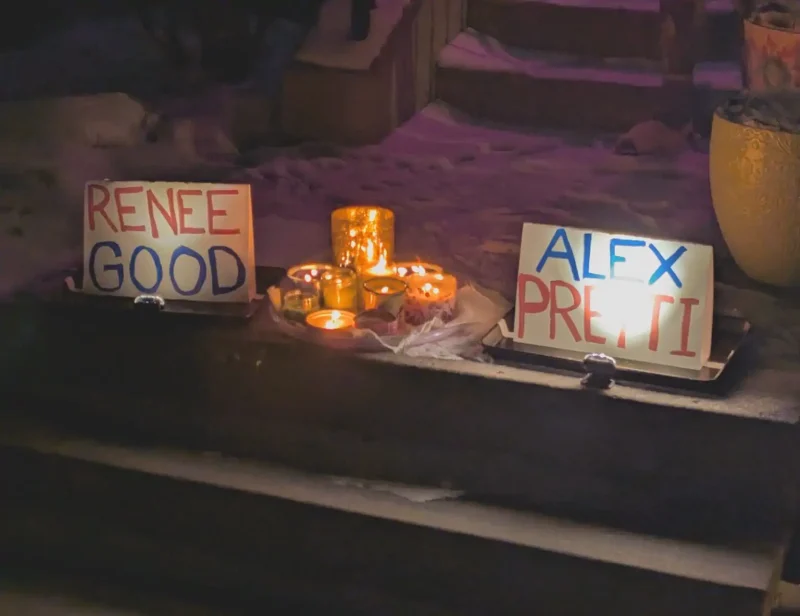
Statement on Killings of Alex Pretti & Renee Good
The killing of Alex Pretti and Renee Good at the hands of federal agents in Minnesota is a tragedy for their loved ones and for all of us who treasure our unalienable rights of life and liberty.
-
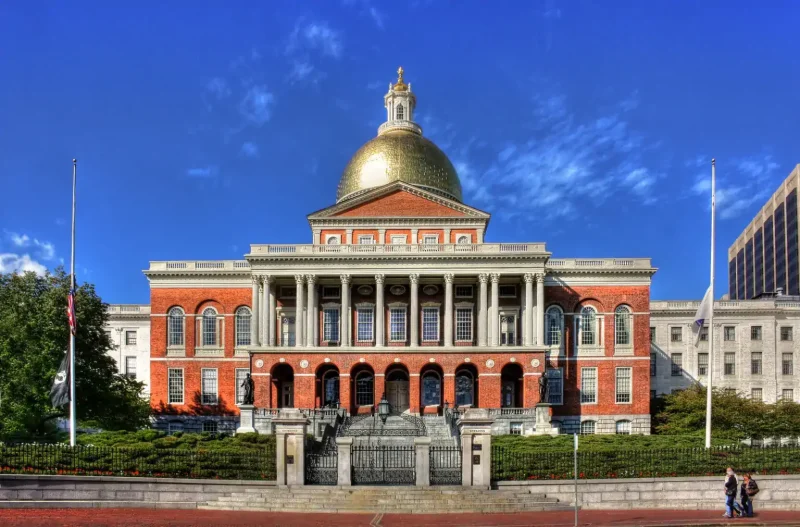
Democracy Renovation Questions Advance Toward 2026 MA Ballot
MA’s Secretary of State announced that all four key democracy renovation ballot measures have taken the next step toward the November 2026 ballot.
We Need Your Support
Democracy renovation happens only when people like you decide to stand up for democracy. Learn how you can get involved today!